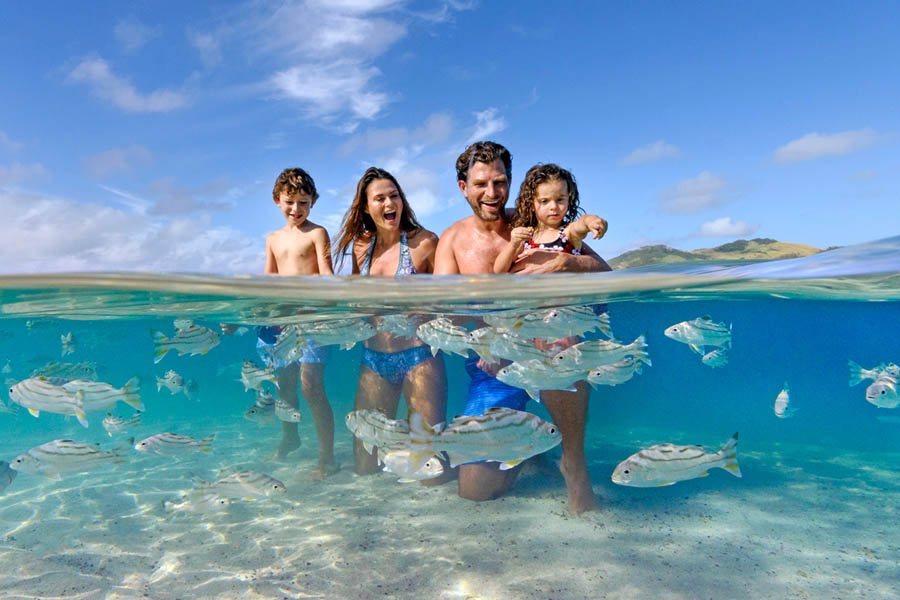
Travel guide of Fiji
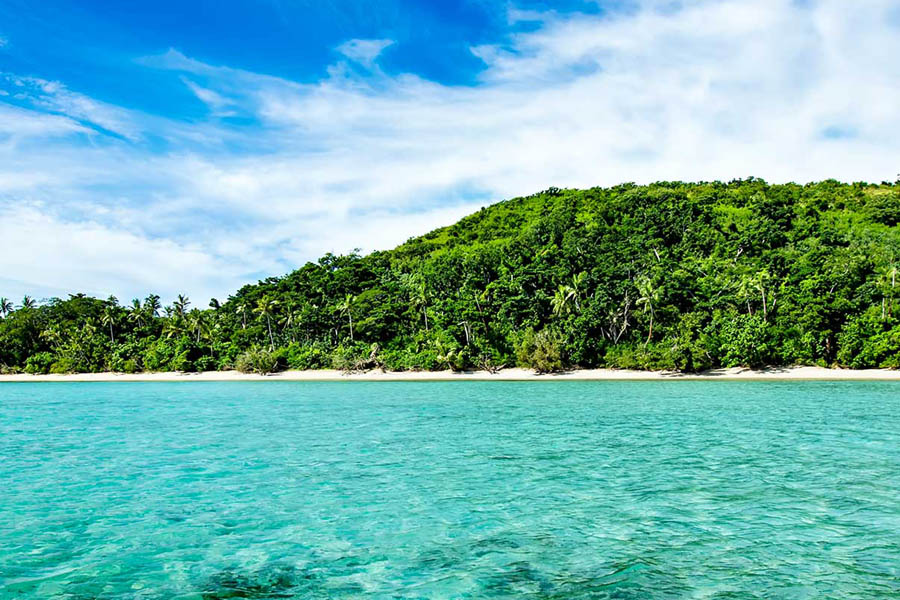
Well developed tourist destination with yet unspoiled islands, nature and marine areas, white sandy beaches and
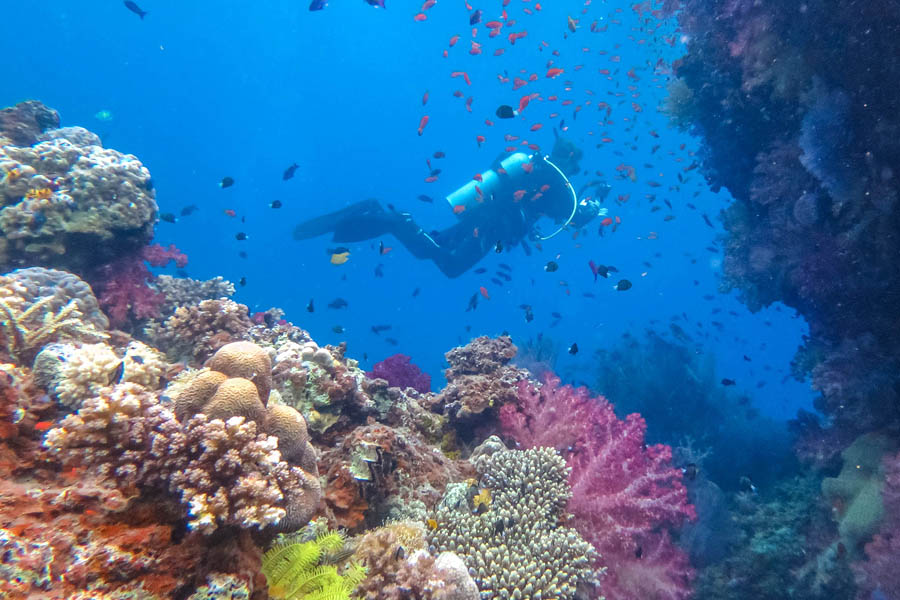
preserved traditions. World class diving at wonderful coral reefs, swimming with sharks and rays, home to dolphins and a pathway
of whales. Fiji is perfect for a holiday with family with dozens of attractions, sports and activities available on land
and on the sea and a high level of services provided. Fiji offers hotels and resorts even for the most demanding clients,
golf courses, heli-tours, yacht cruises. The perfect setting for a romantic wedding and honeymoon, choose one of the
333 islands!
Useful information
Land, geography
- 333 islands centrally located in the South Pacific
- called the "Crossroads of the South Pacific"
- land of 18.200km2 / 11.310 square miles, most of it made by the 2 major islands,
Viti Levu (with the capital Suva) and Vanua Levu, only some 60km / 37mi from each other
- Viti Levu has some 150x90km / 93x55mi in diameter, Vanua Levu some 170x50km / 105x31mi
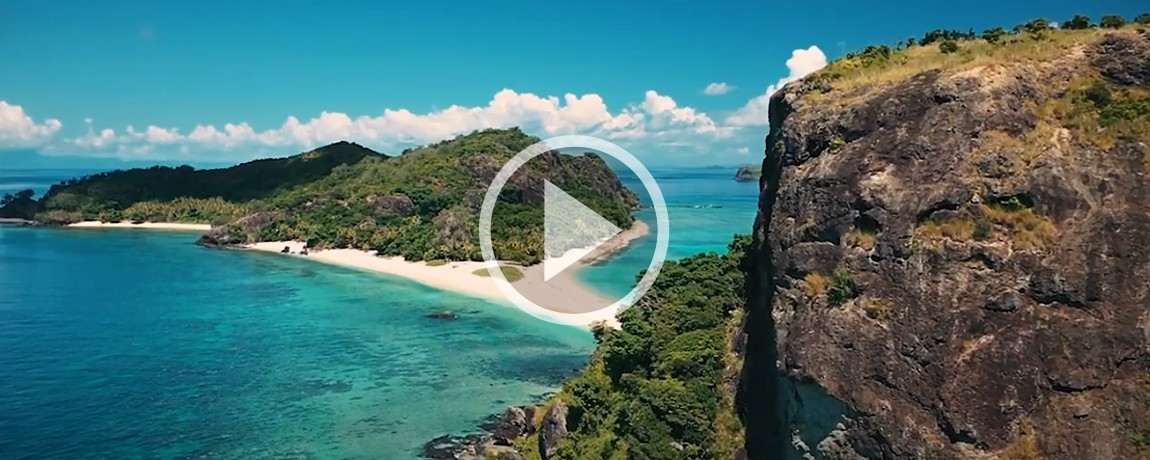
- mountainous islands with tropical rainforests, surrounded by shallow lagoons and coral reefs
Climate & Weather
- tropical, warm climate, pleasant year-round temperatures
- average yearly temperature 25°C / 77°F
- cooler inland areas of the bigger islands
- cooling trade winds blow from the east and south east for most of the year, usually dropping down in the
evening and picking up in the morning again = great for surfing
Travel season
- perfect tropical escape destination for travellers from the Northern Hemisphere - during December - March
the temperatures average some 31°C / 88°F
- the mean minimum temperature in the winter is 19°C / 66°F
- the mean minimum temperature in the summer is 22°C / 72°F
Government
- Suva is the capital of Fiji, located on Viti Levu
- 14 provinces
Time zone
- UTC/GMT +12
- this means when it is f.e. 10AM in Fiji, it is 10PM in London the previous day
- no daylight saving time
Currency, payments
- Fijian dollar FJD
- 1 FJD = cca 0,47 USD (2020)
- all banks and most hotels exchange foreign notes and travellers cheques
- hotels, restaurants, shops, car rentals, cruises and local travel agents accept major credit cards
- American Express, Diners Club, Visa, JCB International, MasterCard, Union Pay are represented in Nadi,
Suva and Lautoka (Viti Levu)
Fly to Fiji, airlines
- well accessible from around the world, operated by many airlines (2019): Air Pacific, Air New Zealand,
JetStar, Air Caledonia, Pacific Blue, Solomon Airlines, Quantas Airways, Air Vanuatu, Our Airline, Virgin Australia,
Air Niugini and Korean Airlines
- Fiji's international carrier: Fiji Airways with direct flights (2019) from Auckland, Christchurch, Wellington (NZ),
Brisbane, Melbourne, Sydney, Adelaide (Australia), Los Angeles, San Francisco (US, 10hrs), Hong Kong, Singapore, Narita (Japan),
Honiara (Solomon Islands), Nukua'lofa, Vavau (Tonga), Apia (Samoa), Tarawa (Kiribati), Funafuti (Tuvalu)
- Fiji Airways are a full partner in Quantas frequent flyer programme
- domestic flights between Fiji islands operated by Fiji Link (ex Pacific Sun) and Northern Air
- charter flights and helicopters available
- 2 international airports, both on Viti Levu: Nadi Airport (NAN) and Suva-Nausori Airport (SUV)
Transport
- buses, deluxe coaches, taxis available on the islands
- ferries, catamaran, speed boat charters between the islands
- car, motorbike, scooter and even bike rentals
- overseas driving licences are valid for 6 months
- best economical way to get around is by bus, visitors need to register and purchase e-bus cards from
the Vodafone outlet at Nadi International Airport or at Vodafone shops around Fiji
Entry requirements
- passport valid for 3 months beyond expected stay + valid return ticket
- visas required for visitors from few countries; available through Fiji Islands Immigration service
- visitors from the United States and Canada have granted entry visas for 4 months or less
- departure tax of 200 FJD required
- we will inform you about updated entry requirements for tourists from your country together with our offer
Travelling since 2020
- Travel world changed in 2020 with the worldwide lockdown. Travel conditions are still being updated, airlines
releasing new schedules, hotels and destinations applying new arrangements where necessary. As it is hardly possible to
keep all relevant information on our websites up to date, we will inform you about current situation at the time of
your request and of your journey.
- If the destination you choose is not yet accessible for travellers from your country, we will recommend a similar
available option.
Duty Free
- for each passenger above 17y. possible to bring (if not for sale): 2,25l of alcohol liquor or 4,5l of wine
or 4,5l of beer; 250 cigarettes or other combination of tobacco products not exceeding 250 grams net weight
- fiscal duty depending on the goods, VAT uniformly 9%
Electricity
- 240 volts with three pin power outlets - identical to Australia and New Zealand
- leading hotels and resorts offer universal outlets for 240v or 110v
Internet, signal coverage
- country code +679
- card phones available in many stores
- Fiji is well serviced by cell phone networks - 3G/4G mobile services by Vodafone, GPRS (General Packet Radio
Service) by Vodafone Fiji Limited, Digicel and Inkk Mobile
- cell phones with local sim cards are easy to purchase locally
- well wired destination, internet access on many islands, hotels and resorts
Population
- over 850.000 inhabitants, mostly indigenous Fijians
- approx 3/4 of the inhabitants live on Viti Levu island
- Indians, Chinese, Europeans and South Pacific Islanders settled on the islands as a result of British colonisation,
arriving mostly as labourers
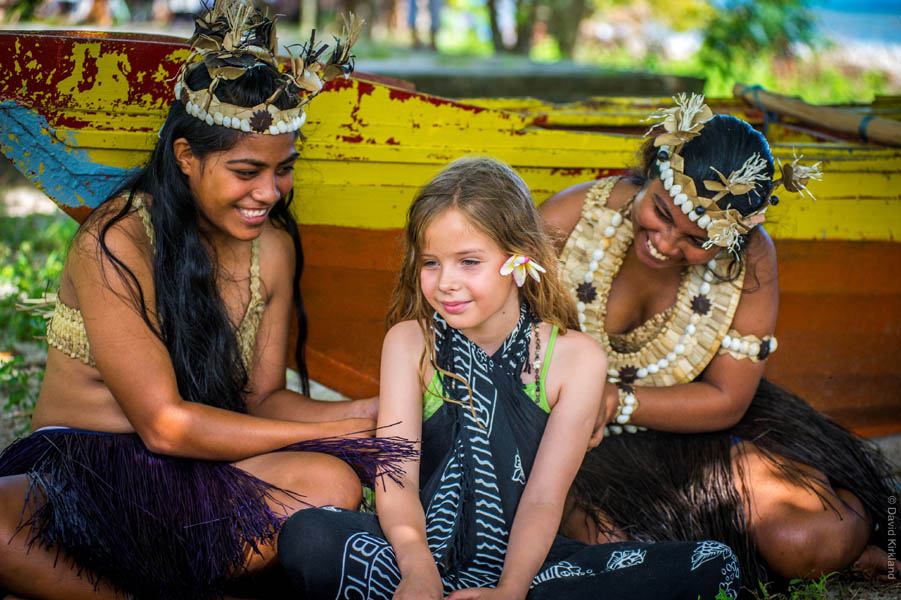
- people of Fiji being called some of the friendliest people on Earth, they would greet visitors on the streets in Nadi
and Suva, inviting them to their villages or to join them at church service with rousing singing and music
Language
- 3 official languages: English, Bau Fijian spoken by ethnic Fijians and Hindustani - the main language spoken
by Indo-Fijians
- cosmopolitan society speaking also Chinese, Rotuman and other languages
- Bula! - traditional Fijian greeting
Religion
- most of the nation is Christian with large variety: Methodists, New Methodists, Catholics, Seventh
Day Adventists, Assemblies of God, Baptist or Pentecostal
Health
- free from most diseases including Malaria and yellow fever
- yellow fever and cholera vaccinations required only for visitors arriving from infected areas
- hospitals in the major centres, health centers in rural areas
- hotels and resorts have a qualified nurse on premises or a doctor on call
Tipping
- tipping is not expected in Fiji, up to each visitor if they leave any gratuity
Dress
- casual, informal dress code throughout the islands
- bring light tropical wardrobe like golf shirts, T-shirts, shorts, light trousers for the evening for men, summer dresses,
light skirts, slacks and blouses for women...
- Fiji's most distinctive clothing is a wrap around sulu (sarong) for both men and women
Nature
- tropical islands covered with rainforests, surrounded by coral reef, shallow lagoons and steep drop-offs
with a large variety of corals, over 1.200 species of fish and a dozen species of dolphins and whales
- islands of volcanic origin, none presently active though there are few hot springs
- the islands are mostly covered by forests, trees including Sandalwood, Mahogany, Vesi (Intsia Bijuga)
and Kauri
- more than 2.000 indigenous plant species, many with medical use
- mangroves covering large coastal areas, home of rich bird and sea life
- streams and waterfalls on the bigger islands, most famous being the sacred Bouma Falls on Taveuni island where the
movie 'Return to the Blue Lagoon' was filmed
- more than 100 bird species, in particular in the rainforest area on Viti Levu, along Colo-i-Suva, the coral
coast and Pacific Harbor; musk parrots, fantails and honeyeaters at Kadavu, natural reserves on smaller islands
like Mabua-i-Lau, Vatu-i-Ra, Namena-Lala Reserve
- home to 5 of 7 world's marine turtles, 2 kinds of sea snakes
- few endemic animals like banded iguana - only at Yaduataba Island, changing colors to regulate internal heat
- Fiji's EEZ are a migratory pathway and breeding grounds for whales, in 2003 it became a whaling sanctuary
- spinner dolphins all year round at Tailevu
Culture & Traditions
- although there are modern cities and modern, well-equipped resorts, much of Fiji has still preserved its land,
culture and everyday life which has changed very little over the past 2 centuries
- many Fijians still live in villages, already in concrete blocks and wooden houses instead of the thatched roof traditional homes
- the village chief lives in the biggest structure of the village, usualy apart of the other houses
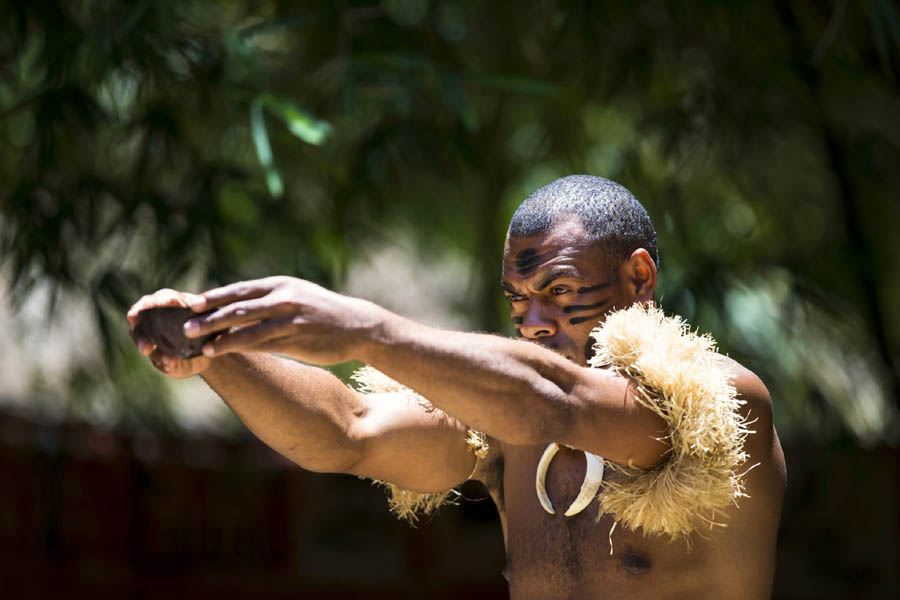
- custom Fijians wear is the traditional garb, not only for shows and ceremonies
History
- the islands are thought to be first inhabited in around 2000 BC
- Europeans discovered Fiji in the 17th century, first by Captain William Bligh - and so it was called Bligh Island for a while
- Abel Tasman visited Fiji in 1643 while he was trying to find the Great Southern Continent
- in 1874 the islands came under British control as a colony
- Fiji gained independence on 10th October 1970
Excursions / places to see
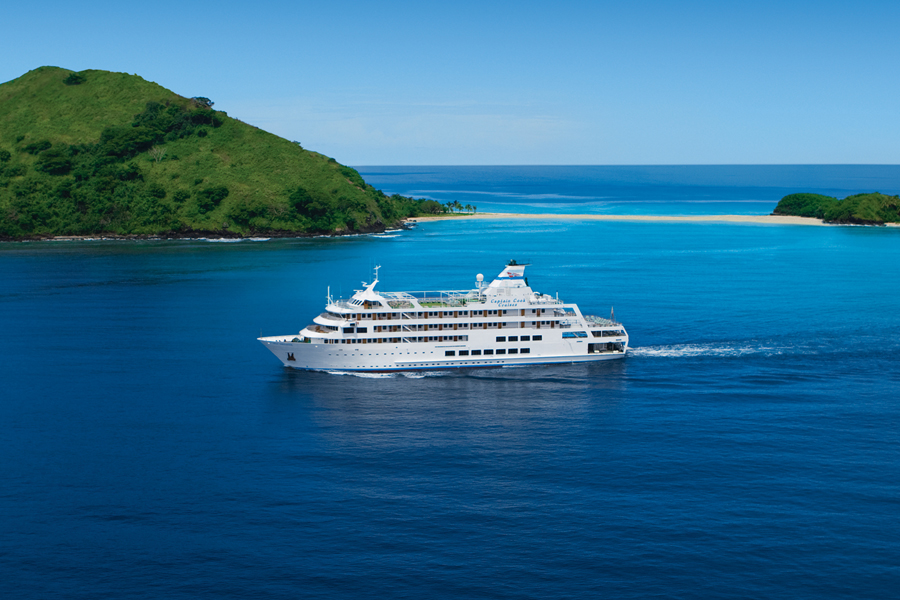
- half-day or full day sightseeing cruises of the islands
- helicopter flights over the islands and reefs
- do not leave out a visit to a typical Fijian village
Road trip over Viti Levu
- road trip over the main Fiji's island Viti Levu - the main towns are connected with highways
- local markets, shops, cafés, restaurants, night clubs and attractions in the major cities
- Coral Coast - scenic soutwestern part of the island with an offshore reef, take the road from Nadi to Pacific Harbor
- see local villages, sugar cane fields, Carribean pine plantations, coral lagoons and beaches...
- 3 major cities of the island are Suva, Nadi and Lautoka
Pacific Harbor and Beqa Island
- on the south shore of Viti Levu, complete tourist destination
- shopping centre, Cultural Centre 'Arts Village'
- inland mooring for luxury villas
- 18-hole championship golf course
- opposite island Beqa (pronounced Bennga) is home of the legendary firewalkers
- world famous diving location - also shark dives including dives with the largest tropical sharks - bulls and tigers
- fishing, sailing, golf, tennis, horse riding, surfing, jet skiing, white water river rafting (on a Äobilibili
bamboo raft), zip lining, guided terra treks, sea kayaking and village visits attract tourists
Suva
- visit the capital of Fiji, a mixture of traditional and modern
- colonial era architecture combined with skyscrapers
- guided tours available, usually include the Government House, the Fiji Museum, Albert Park,
Botanical Gardens, the University of the South Pacific, Laucala Bay, the Municipal market, main shopping
district, Fijian Handicraft Centre and also Muslim mosque, Hindu Temple, Roman Catholic Cathedral
Nadi
- only few minutes drive from the airport
- visit local marketplace with fresh grown fruits, vegetables and root crops, fresh seafood and fish, herbs and spices,
poultry, yaqona (kava) stalls, home made souvenirs...
- Fiji's largest Hindu Temple
- adjacent Denarau Island (accessible by road) with luxurious resorts, championship golf course, private homes, commercial
centre, land and water activities and Port Denarau Marina with a ferry terminal - connection to the most attractive
island groups Mamanuca & Yasawa with top tourist resorts
The Suncoast
- Fiji's "sugarbelt" stretching from Lautoka to Rakiraki on the north coast of Viti Levu
- thousands of small holdings cultivating sugar-cane for the mills located in Lautoka, Ba and Rakiraki
- plantations of Carribean pine trees (for wood products), plantations of teak and other crops growing, bee hiving
- South Pacific Distillery Ltd - Bounty Fiji Rum, flavoured Ratu Rums, Bounty Cola, Regal Whisky, flavoured
liquers, Vonu Lager Beer, Joskes Brew, new flavoured premium Vodkas
- goldmine at Vatukoula, filming locations, Yaqara Cattle Ranch
- International Entry Ports for yachts and cruiseliners
- range of water sports, diving
- accommodations from affordable to top luxury
Kadavu
- the fourth largest island of Fiji approx 80km / 50mi south of Viti Levu
- typical Fijian island with small villages, low hills and beautiful beaches, ragged coast
- perfect for divers - 50km / 31mi long Astrolabe Reef
- perfect for surfers - south of the island
The Northern Islands
- Vanua Levu and Taveuni, the second and third largest of the islands + some smaller islands like Laucala,
Qamea, Matagi, Namenalala, Nukubati, Kaimbu also featuring tourist resorts
- Taveuni is known as the 'Garden Island', great for birdwatching, tropic rainforest, amazing waterfalls and
peaceful life
- world class diving at Taveuni - 19 miles (30km) long rainbow reef
Sports, activities
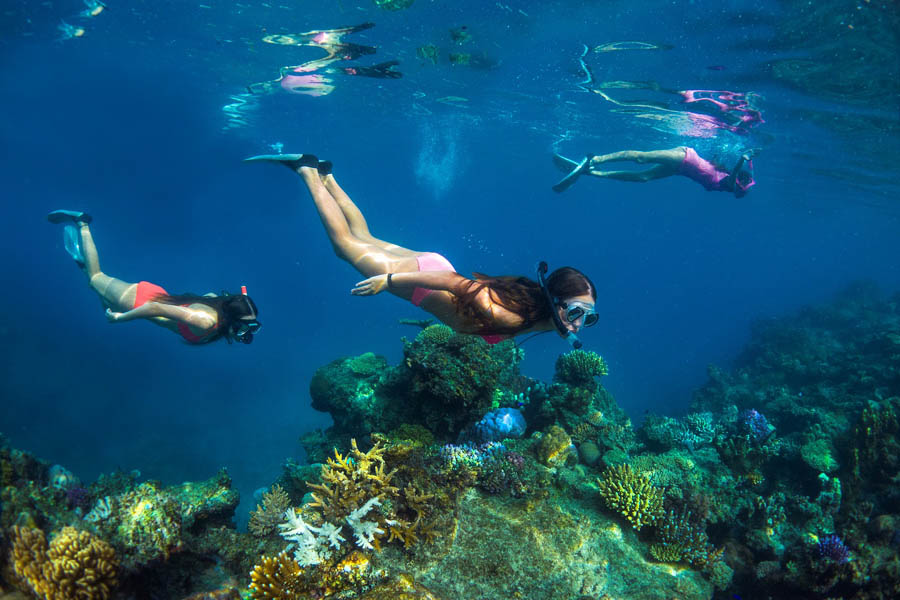
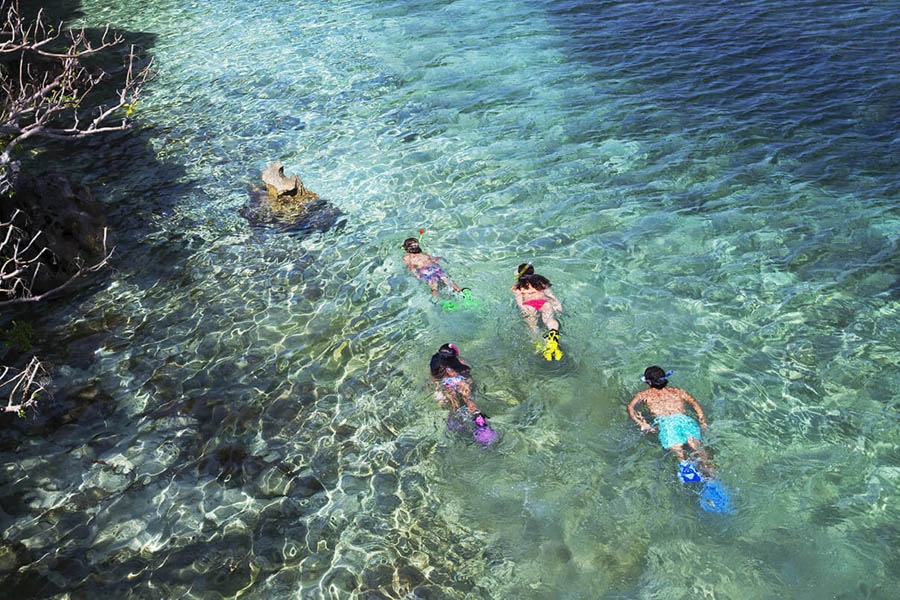
- range of water activities: swimming with harmless manta rays, snorkeling over coral gardens, with reef sharks,
sea kayaking, stand up paddle boarding, fly boarding, kite surfing and surfing, parasailing, doplhin watching,
fishing, kayaking...
- on Fiji you can also try sky diving
- trekking excursions, off-road cave tours on some islands
Diving
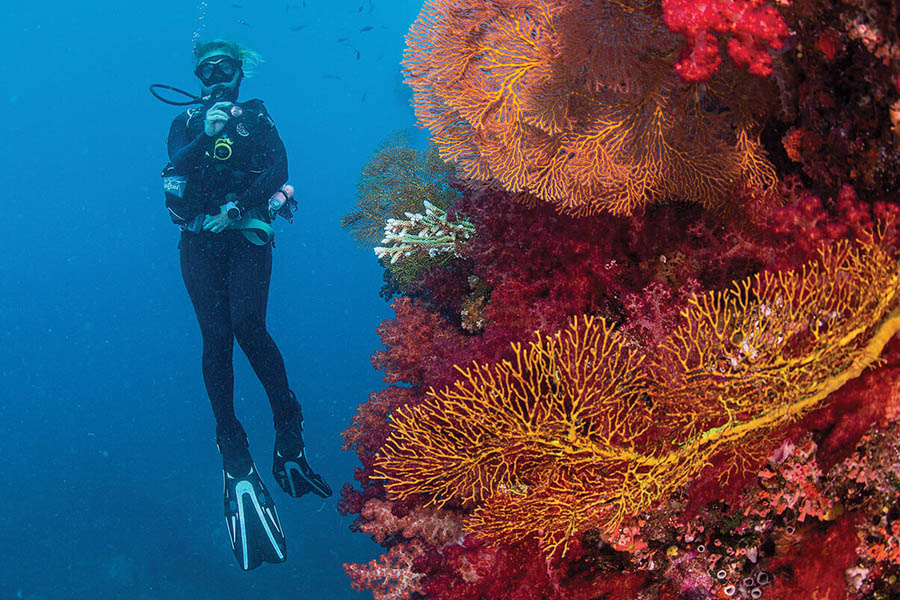
- one of the world's best dive destinations, also called the Soft Coral world capital
- great dive sites all over the islands surrounded by coral reef, shallow lagoons and steep drop-offs
with a large variety of corals, over 1.200 species of fish and a dozen species of dolphins and whales
- shark dives including dives with the largest tropical sharks - bulls and tigers (south of Viti Levu)
- 50km / 31 miles long Astrolabe Reef at Kadavu island, excellent hard and soft corals
- 30km / 19 miles long rainbow reef at Taveuni
- Moon Reef in the shape of a half-crested moon facing the town of Dawasamu on the east coast of Viti Levu
- Lomaiviti Seascape - one of Fiji's most protected reefs and coastline's marine heritage
- Fiji is a migratory pathway and breeding grounds for whales, in 2003 it became a whaling sanctuary
- caves and deep drop-offs on the western tip of Kadavu
Shopping, souvenirs
- markets with unique handicrafts, historical artifacts and traditional arts
- retail outlets and designer brands
- educational shopping in the major cities
- some of typical souvenirs include Fijian inspired T-shirs, carved tanoa bowls from which the
national drink yaqona (kava) is mixed and served, Fijian replica war clubs, "cannibal forks",
Fijian afro combs
- handicrafts like woven baskets and mats, masi (tapa cloth), carved wood animals, pottery items
- sulu, all purpose men and women's garment - women wear them in 100 different ways from beach wear to
evening dress, men wear them in business and government as a day skirt
Food, cuisine
- Fiji offers a multiethnic culinary experience with flavors of India, China, Korea, Japan, Thailand,
Italy and the best of Europe and Australia, New Zealand in combination with South Pacific waters
- traditional Fijian dishes, steaks, local seafood
- Kokoda - one of the most popular traditional Fijian dishes, fresh fish or lobster marinated in lime juice,
coconut cream and a hint of chilli
- abundance of tropical fruit - pineapples, watermelons, kavika, mango, passionfruit, guavas
- palusami - with or without corned beef, chopped onions, wrapped in taro (dalo) leaves and cooked in coconut
cream (lolo)
- lovo - underground oven of heated rocks on which a variety of foods wrapped in banana leaves
are cooked, used for traditional Fijian outdoor cooking
- Kava - traditional local drink
- magiti - Fijian feast, themed nights at hotels and resorts, beach and poolside barbecues to be experienced
on a holiday in Fiji
Special tourism
Accessible Tourism
- for visitors facing any challenges or disabilities we are ready to provide the best available options
of transport, accommodation and services following their individual requirements
- let us know your special needs, we are happy to assist in creating a great holiday package fit for you
Wedding and Honeymoon
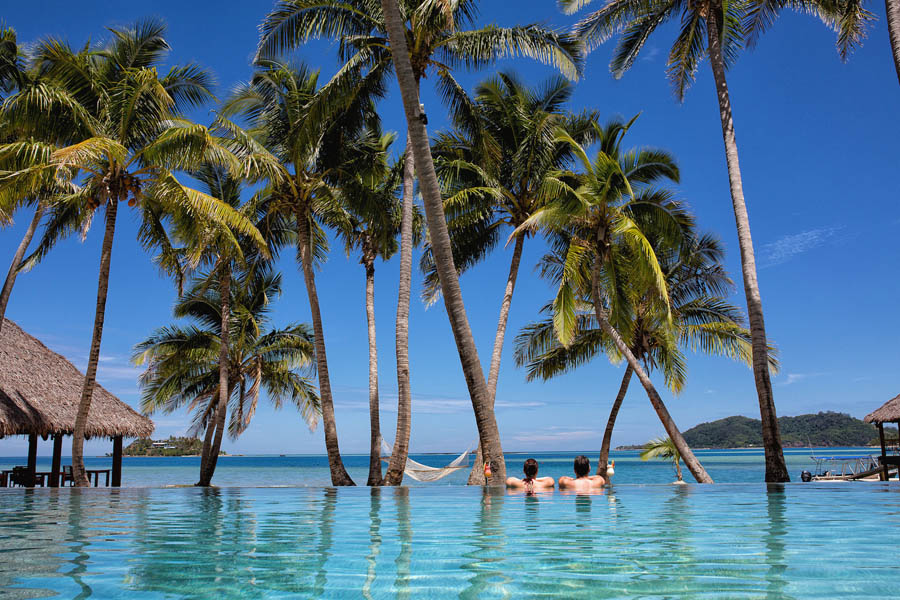
- romantic exotic setting has made Fiji a popular wedding and honeymoon destination, in fact number 1 in the
South Pacific (2019)
- 4 most popular locations at Fiji to get married:
- Denerau with facilities for big weddings with many attenders, wide choice of accommodations, 3 chapels and wide
range of modern services;
- Mamanucas and Yasawa islands - easily accessible from the main island, island resort chapels are available, secluded
romantic beachside resorts;
- Coral Coast and Pacific Harbour - resort styled accommodations, newlyweds can enjoy the proximity of all services
including the inland with traditional villages, beauties of the mountainous nature and rich offer of activities available;
- Northern Group of islands offers high-end world-class experience, tropical jungle themes and waterfall weddings.
- there is a large variety of wedding and honeymoon packages - in hotels, resorts or on cruises
- wide choise of romantic settings to say "Yes" like cliff tops, cascading waterfalls, sandy white beaches,
hill tops or rainforest clearings; chapels also available
- private beach can be rented
- Fijian choirs and warrior escorts are unique
- _______
- obtaining and signing a marriage license at the marriage registry is required at least 3 working days
prior to the marriage ceremony
- with the BDM Act which came into effect in Fiji on 1st October 2018 the couples must send scanned copies
of marriage application signed and witnessed by local authorities from the country of couples' residence well
in advance and prior to arrival to Fiji in order to check everything by the BDM office
- following documents are needed to present in order to do the paperwork:
- original birth certificate of both the bride and the groom, passport with valid legal status, divorce papers for the divorced
partners, death certificate of former spouse for widows / widowers
- Single Status certificate or confirmation of no Legal Impediment has to be presented only if a Fiji citizen or former
Fiji citizen and a foreigner are getting married, or if the couple is foreign but residing in Fiji
- couples from Japan must produce the koseki-shouhon to certify their personal details
Interesting facts
- the movie 'Return to the Blue Lagoon' filmed at Taveuni island
Events
Traditional Festivals
- Hibiscus Festival in Suva
- Friendly North Festival in Labasa - August
- Sugar Festival and the Farmers Carnival in Lautoka - July or September
- Bula Festival in Nadi - July
- Back to Levuka (the Old Capital of Fiji) Festival - October
- Vula I Balolo, rising of the sea worms - October - November
Sporting Events
- years round sports' events and competitions in Fiji
- Rugby's 7's / 15's, Secondary Schools Deans Trophy, Rugby League
- Battle of the Giants - soccer
- athletic Coca Cola Games
- South Pacific Bowling Carnival - June, Sunny West Bowling Carnial - May
- tournaments in boxing, cricket, Fiji Swims, game fishing, hockey, netball, voleyball, tennis,
horse races...
- Hobie Cat Sailing and Yacht Regattas
- Championships in Golf and Surfing
Accommodation
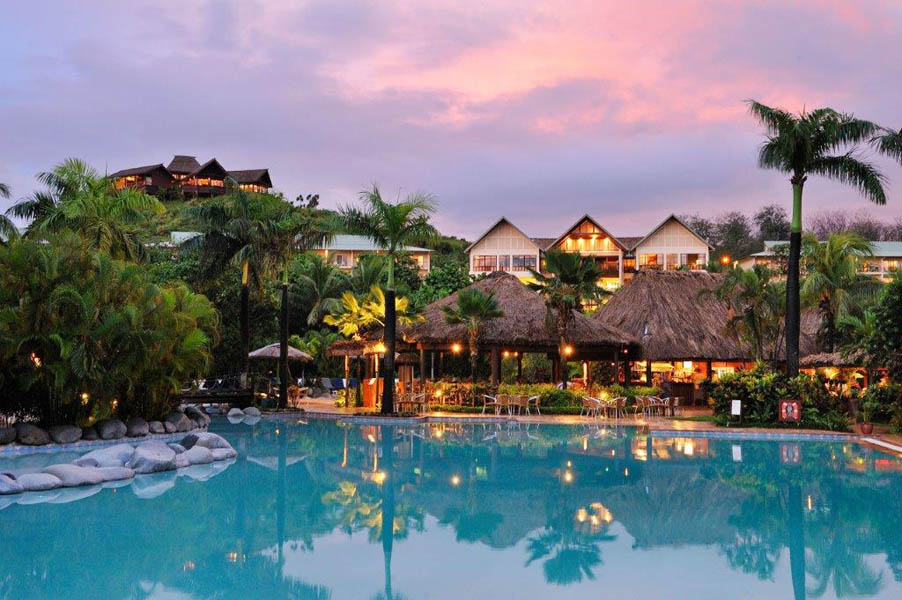
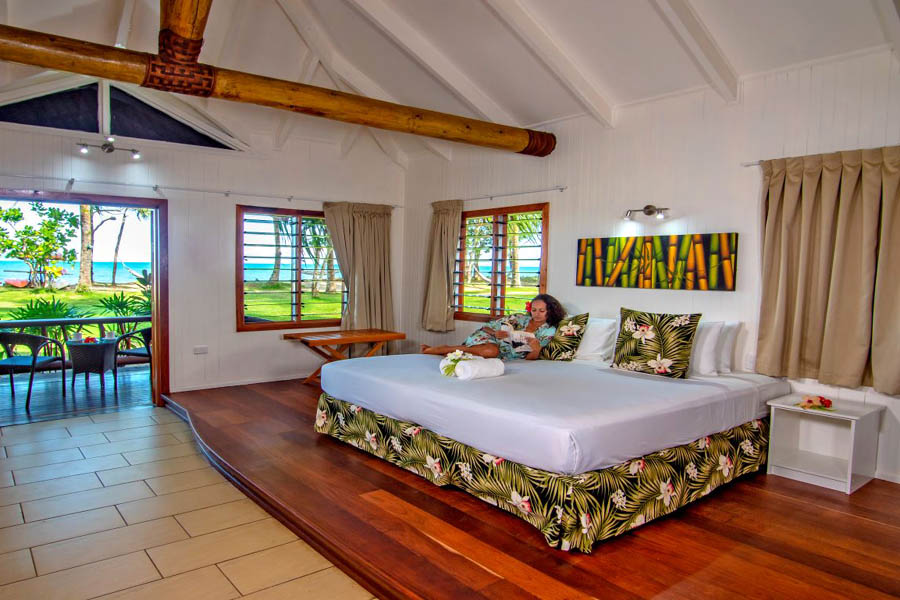
- wide choice of accommodations from 5* luxury hotels and resorts to budget accommodations and backpackers
- high standard of accommodation even in island resorts
- traditional local style accommodations are bure - thatched roof villas, found in many resorts
- largest resort area of the islands is the Mamanuca Group, little islands scattered only some 30km from Nadi
- Yasawa Islands just north of Mamanuca Group offer either affordable backpacker resorts or a number of 5-star
luxury properties