Marshall Islands

Create your trip in Marshall Islands to remember!
See, taste, feel, connect with local people. Experience and enjoy what the country has to offer.
Travel with passion, respect and heart.
Let us know your plans, ideas & wishes.
We will get back to you with a personal travel proposal including rates.

* Fields marked with a star have to be filled.
Let us know your prefered dates, destination/s, program, category of accommodation or budget, it will help us create your offer faster, thank you! Your time zone could be handy too :)
By submitting your data you agree to receive a personalized offer from us. We will contact you to discuss further details if needed. Your personal data is used only for this purpose unless you wish otherwise.

Movie

Need more inspiration?
movie

Travel guide of Marshall Islands

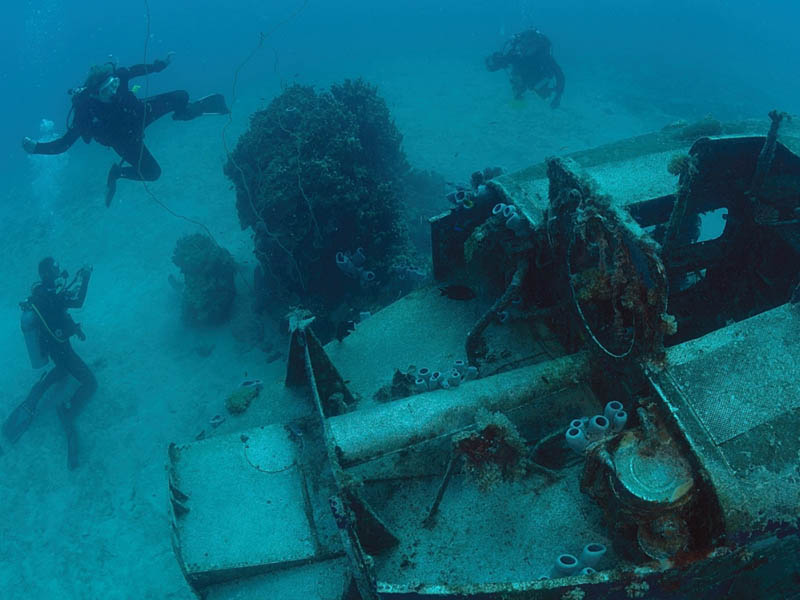
Former US Territory and a nuclear test site is now an independent country with reviving culture and traditions while at the same time enjoying comforts such as US dollar currency. 29 beautiful atolls of the Marshall Islands spread across an enormous Pacific area of nearly 1 million square miles which are an Exclusive economic zone. With abundant marine life including sharks, more than 1.000 fish species, coral reefs and spectacular World War II artifacts and wrecks (also an aircraft to discover under water!) Marshall Islands are a world class diving destination. Fishermen from around the region meet in July and August to attend popular fishing tournaments. Friendly Marshallese people are known for their sea navigation knowledge and admirable skill in building korkor, their traditional canoes.

Useful information

Land, geography

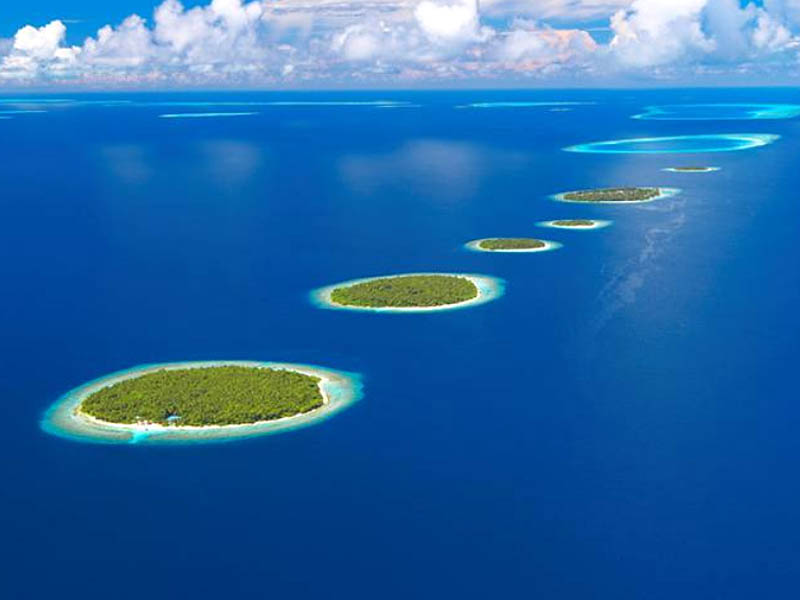
  • Marshall Islands are formed by 29 coral atolls and 5 single islands spread over an exclusive economic zone (EEZ) of nearly 1 million square miles / 2.590.000 km2, one of the largest in the Pacific
  • the North Pacific waters of Marshalls border with Micronesia and Kiribati
  • the islands' land area is only 70 square miles / 171 km2 (equalling f.e. the size of Washington City)
  • the largest of the atolls is Kwajalein with land area of 6 square miles / 16 km2, the highest spot of the islands is on Likiep atoll 10 meters / 33 feet above sea level
  • geographically the islands consist of 2 archipelagic island chains of 30 atolls and 1152 islands within them forming 2 parallel groups - the Ratak (sunrise) and Ralik (sunset) chain.

Climate & Weather

  • Marshall Islands have a tropical, hot and humid climate, the region is known for mild winds and tropical showers
  • the temperatures average about 81°F / 27°C with little variations during the year; the waters in the lagoons have comfortable 80°F / 26°C year round
  • the most dry season is from January to March
  • the wet season lasts from May to November
  • the islands border the typhoon belt and typhoons may occur infrequently from July to mid November

Travel season

  • the best travel season for visitors is between December and May, outside of rainy and typhoon season
  • the calm water months in Marshall Islands are between June and September
  • the best conditions for fishing are from May to October

Government

  • the capital of the islands is Majuro Atoll; the most urban and developed atoll houses central government, most of the businesses and about half the country's population
  • the second most populated area is the Ebeye settlement on Kwajalein Atoll about 400 km / 250 mi northeast of Majuro which at the same time is one of the most densely populated locations in the Pacific
  • Marshall Islands are one of only 4 atoll nations in the world and one of the youngest nations at the same time, gaining independence in 1986
  • today the Republic of Marshall Islands is a self-governing democracy in free association with the US

Time zone

  • UTC/GMT +12 = 12 hours ahead of Greenwich Mean Time

Currency, payments

  • US dollar is the currency on Marshall Islands (USD)
  • Bank of Marshall Islands has branches in Majuro, Ebeye and Kwajalein/Roi-Namur
  • Bank of Guam has branches in Majuro and Ebeye
  • credit cards Visa, MasterCard and Americal Express are accepted by most major businesses

Fly to Marshall Islands, airlines

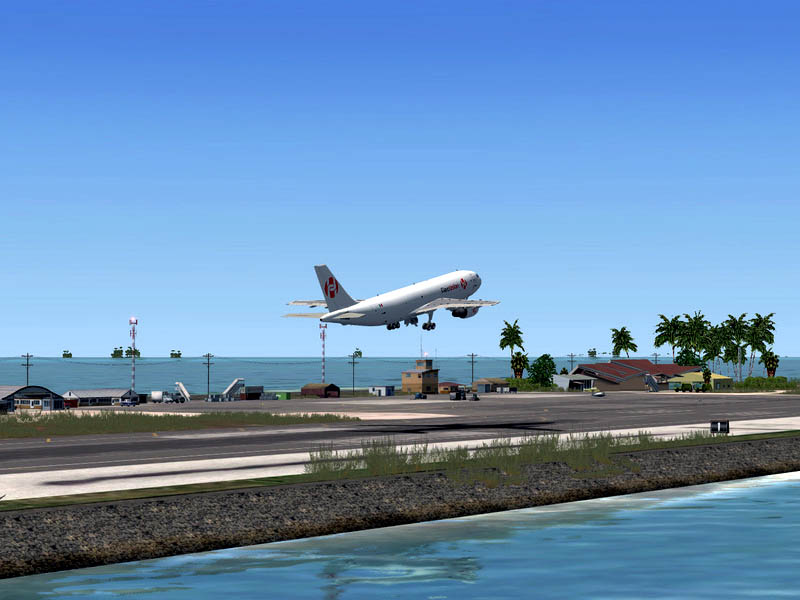
  • the domestic carrier is Air Marshall Islands
  • Amata Kabua / Marshall Islands International Airport (MAJ) on Majuro atoll

Transport

  • connection between the islands is provided by Air Marshall Islands
  • ships connect Arno and Majuro atolls
  • boats and charters are rentable

Entry requirements

  • travellers from the United States and all its territories, Federated States of Micronesia, Republic of Palau, Pacific Islands Forum countries including Australia and New Zealand do not need to require for visa
  • visitors from Canada, Japan, Korea, China, Philippines and all European countries will obtain 30-day travel visa on arrival, providing they have a passport valid for at least 6 more months and a roundtrip or transit ticket
  • we will inform you about updated entry requirements for visitors from your country together with our offer

Travelling since 2020

  • Travel world changed in 2020 with the worldwide lockdown. Travel conditions are still being updated, airlines releasing new schedules, hotels and destinations applying new arrangements where necessary. As it is hardly possible to keep all relevant information on our websites up to date, we will inform you about current situation at the time of your request and of your journey.
  • If the destination you choose is not yet accessible for travellers from your country, we will recommend a similar available option.

Internet, signal coverage

  • satellite, telex, telephone, cable and electronic mail are available on Majuro
  • radio communication with outer islands
  • Kili Island and the atolls of Jaluit, Rongelap, Wojte, Likiep and Bikini have cell phone / satellite phone systems available
  • US postal service

Population

  • 53.158 people inhabited Marshall Islands during 2011 Census; approx half of the population lives in Majuro
  • Marshalese people are known as generous and hospitable
  • the islands are small and so the families are very close and preserve the value of the family in their society; living together as an extended family is still a common practice

Language

  • Marshallese and English are the official languages

Religion

  • Christianity is the dominant religion, there are both protestant and catholic churches in the country
  • Marshallese are very religious and go to church every Sunday

Health

  • Majuro has 1 public hospital and 2 private clinics
  • the outer islands have medical dispensaries mostly

Tipping

  • tipping is optional on Marshall Islands

Dress

  • dress code of the Marshalls is casual, island style
  • pack cool, loose fitting clothes and a sunscreen
  • swimsuits, shorts and miniskirts should not be worn in urban areas

Nature

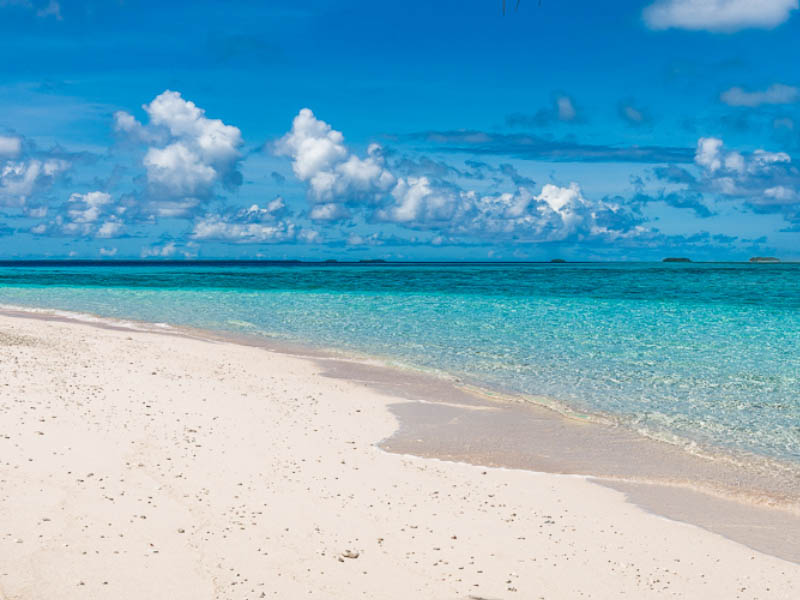
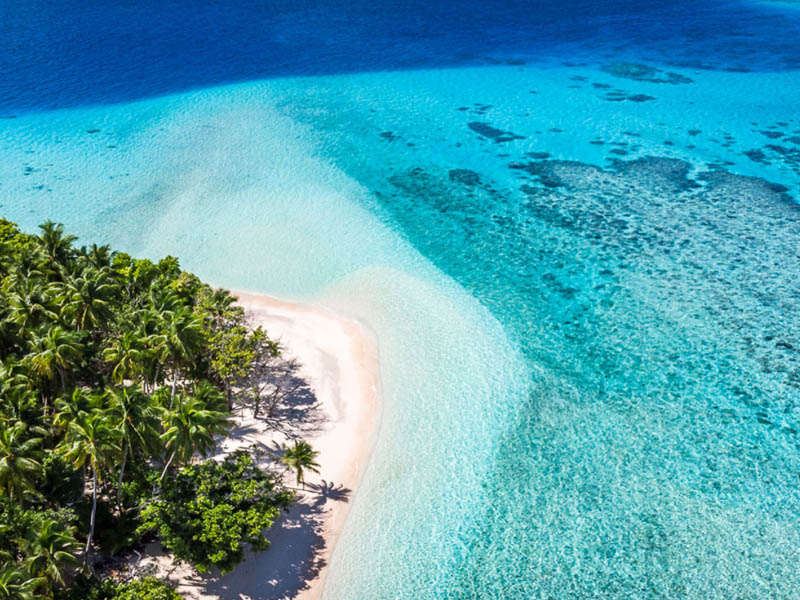
  • Marshall Islands dispose of natural beauties common to Pacific - coral atolls with sandy beaches and lagoons, rich marine life attracting divers and fishermen
  • the land provides the country with natural resources such as coconut trees, marine products, and deep seabed minerals

Ecology

  • the ecological issues that Marshall Islands are facing are pollution of Majuro lagoon with household waste and discharges from fishing vessels
  • the islands are also threatened by potentially rising sea level
  • Marshall Islands are party to following environmentally-concerned international agreements: Biodiversity, Climate Change, Climate Change-Kyoto Protocol, Desertification, Hazardous Wastes, Law of the Sea, Ozone Layer Protection, Ship Pollution, Wetlands and Whaling
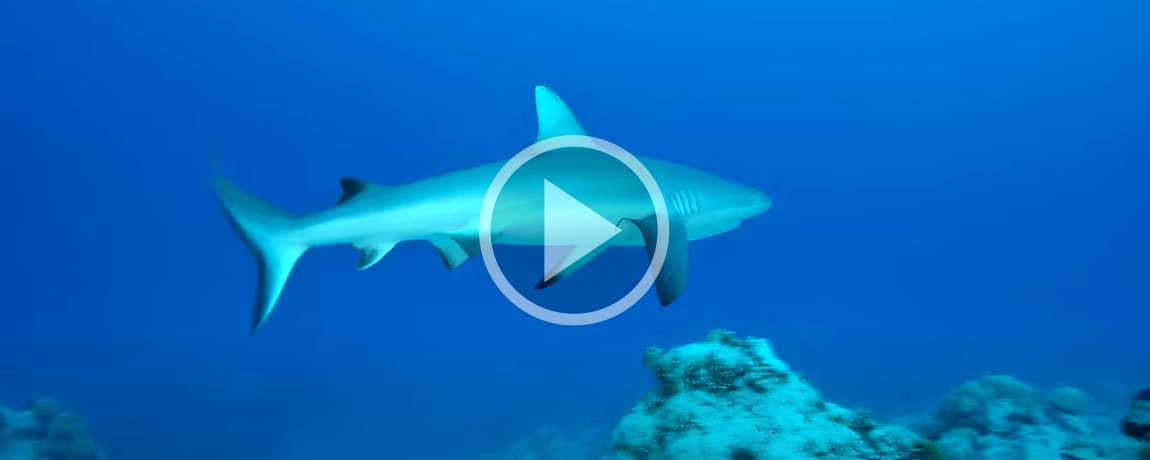
  • Bikini and Enewetak atolls are former US nuclear test sites (learn a little about this from the video); Kwajalein, a famous WWII battleground is now used as a US missile test range

Culture & Traditions

  • Marshallese people have an admirable amount of indigenous knowledge and skills ranging from traditional medicine, massage, astronomy, social order, dendrology and horticulture, non-instrumental navigation and seafaring combined with unique canoe building skills
  • Marshallese fishing technology developed into one with high specialization with various fishing techniques, unique range compared to other cultures on the planet
  • korkor or Marshallese canoes range from small rowing canoest to massive high-speed voyaging canoes; they have amazed sailor from around the world including Otto Von Kotzebue in the 1800s; traditional canoes are recognized for their technical refinements, asymmetric hull, a lee platform and a pivoting midship mast.
  • Marshallese navigation skills are similarly unique and greatly developed - those trained can read stars, clouds, waves, currents, winds, birds and even ocean colors; thanks to these skills they were able to find and inhabit islands and atolls so far from each other and peeping only slightly from the waters. Marshallese use special teaching methods to learn these skills, apprentices spent much time just lying back in the ocean, learning to 'see' the island which is causing the wave pattern beneath them. Marshallese also developed navigational stick charts of different size and shapes helping to teach the complexity of wave and wind patterns related to variety of atolls and islands and explaining such complex navigational concepts as wave refraction and swell pattern identification
  • being a US Territory meant that Marshall Islands also had adopted Western school system and other practices. Today the islanders begin to rediscover their native culture and implement it into every day lives.

History

  • the islands' geological origin dates back to some 70 million years ago with volcanic eruptions, 30 million years later being followed by the high islands subsiding back into the ocean; microscopic organisms called polyps helped form the islands to the atolls we now know
  • some 3.000 years ago the islets of the atolls started to take shape with some plants transported here by birds
  • Pacific Colonization began some 5.000 years ago with people migrating from Southeast Asia, in particular Southeast China and Formosa which resulted in populating the islands of Melanesia and South Pacific. The islanders are all in a way distant relatives being part of an Austronesian language family
  • before Marshall Islands got independent in 1986 they were a US Territory

Excursions / must see

  • visitors are invited to learn about Marshallese traditions and history in the Alele Museum featuring authentic tools and artifacts, WWII relics, 19th century photographs of the Marshall Islands by Joachin de Brum and more
  • The Peace Park Memorial was built by Japanese government in the memory of the soldiers who fought and died in the Pacific in WWII
  • 1918 Typhoon Monument commemorates the victims of a rare typhoon in the Marshall Islands and gives honor the Japanese Emperor for his contribution from private funds in help to rebuild Majuro
  • learn about Marshallese navigation and traditional canoe construction at the Waan Aelon in Majol canoe house, learn how they can "see" the islands by feeling the waves, meet the canoe builders at work and join them on a lagoon cruise in these Canoes of the Marshall Islands. The technology which survived some 50 generations is still admired by modern constructors and sailors.
  • Outer Islands Tours - the atolls outside of Majuro including Arno, Jaluit, Bikini, Likiep or Rongelap boost unspoilt natural surroundings, black pearl and giant clam farming, vibrant traditional culture, WWII sites, miles of secluded sandy beaches, pristine coral and fascinating wreck diving and abundant fishing opportunites
  • RRE Clam Farm - in Majuro, raising a number of different clam species for the aquarium market
  • Laura Beach Park - nice sandy beach with picnic areas and fresh water shower at the western end of Majuro, popular picnic site
  • Three Bag Island Kayakers - an experience worth adding to the visit of Marshalls, camping overnight or spending a day at a secluded coral island across the lagoon. Kayaking, snorkeling, barbecue or just being in a wonderful environment is a must try.
  • Eneco Escape - worth a day tour or overnight stay, one of the islands of Majuro atoll across the lagoon from the city; outer-island feeling within hand-reach of civilization
  • Tobolar Copra Processing Plant - see how copra (the dried out kernels of coconuts) are made into coconut oils, soaps and even diesel fuel substitutes. The production is located in Majuro and is still an important source of income for locals.
  • Charter Boats - a must try is a cruise in a lagoon or around the islands, possibly accompanied by fishing, picnics or visits to the outer islands; mostly starting off from Majuro
  • Night Life - get to know friendly local people and their music live in one of Majuro's karaoke bars, dance clubs and bars

Sports, activities

  • Marshall Islands are a popular destination for fishing, diving, snorkeling and other water sports including some surfing options

Diving

  • excellent year-round visibility, some of the healthiest coral reefs in the world and many WWII ship and plane wracks make Marshall Islands a popular diving destination
  • unique sights - the world's only diveable aircraft carrier, the flagship of Japanese World War II Armada, a well preserved B-26 bomber lying only 5 feet / 1,5 m under the sea level and many more...
  • steep drops-offs, coral pinnacles, channels, fast moving pelagic schools and a rich variety of soft and hard coral - all to experience in the waters around Marshall Islands
  • the most popular atolls for diving offer:
  • Majuro - the most accessible dive site in the Marshalls; walls and drop-offs, lagoon pinnacles, channels, schools of pelagic and inshore fish, different sharks, turtles, rays and a variety of coral including fan and table coral
  • Arno - Majuro's sister atoll with 3 lagoons full of marine life, only 18 km / 11 mi from Majuro, still providing the 'outer island' experience
  • Bikini - a wreck divers' dream alive, ghostly ships of WWI and WWII, approx 800 km / 500 mi northwest from Majuro
  • Jaluit - plenty of WWII underwater treasures, some maybe still undiscovered; a place of conservation efforts; about 200 km / 120 mi southwest of Majuro
  • Rongelap - an atoll that was kept in isolation for 50 years (due to the American nuclear testing) has been open to public; the abundant marine life fascinates scientists who call it the new World Heritage site; near Bikini atoll, about 650 km / 400 mi northwest of Majuro
  • Mili - a realm of Manta rays, sharks and Giant clams decorated with WWII relics and at the same time home to many native birds; approx 120 km / 75 mi southeast of Majuro
  • Likiep - meaning 'purse of treasures' is full of underwater treasures and above the sea is rich in a unique colonial culture

Fishing

  • Marshall Islands with its 29 atolls and a vast area of over 750.000 square miles of tropical Pacific Ocean are one of the fishiest countries in the world
  • over 1.000 species of fish can be found here: 860 inshore / reef fish, 7 freshwater / brakish, 67 open water and 125 deep sea fish
  • fishing is possible in the lagoons, on the reef flats and in the open ocean as well
  • there is plenty for anglers available - flyfishing, jigging, bottom fishing, trolling, casting / whipping etc.
  • all 29 atolls of Marshalls have excellent fishing conditions; Arno atoll is accessible from Majuro by boat and the other outer islands by plane from Majuro
  • the best conditions for fishing are from May to October
  • Marshalls Billfish Club - the biggest proposent of sport fishing in the Marshalls and Micronesia since 1983. The club organized more than 140 sportfishing tournaments and nowadays holds an average of 10 tournaments a year. The largest tournament is the Annual National Fisherman's Day Tournament held in the first week of July and the Mobil All-Micronesia Fishing Tournament in August. These events include 2 days of fishing, competing participants come from many neighboring Pacific Island countries.

Shopping, souvenirs

  • the best places for shopping in Marshall Islands are in Majuro
  • visitors can find a great choice of hand-made, all-natural and original Marshallese handicrafts crafted from wood, shells, pandanus and more
  • few shopping places to name: Leipajid near the Assumption Church, Momotaro Corporation besides main-road, Happy Hands Handicraft, ELEFA Handicraft Shop, WAM products and smaller stands at the airport
  • Marshallese are proud of their weaving skills and traditional baskets are among the best in the Pacific; further artistic items include mats, hats, model canoes, stick charts and necklaces
  • great natural coconut products to purchase are oils, soaps or body oils of Marshallese produce
  • among the popular souvenirs are also T-shirts, books, collector's stamps and postcards, nin (noni) juice with healing powers, arno oils, tobolar products or even tuna jerky

Food, cuisine

  • Marshall Islands local food are fish of various kinds, breadfruit, pandanus, banana and coconuts

Special tourism

Accessible Tourism

  • for visitors facing any challenges or disabilities we are ready to provide the best available options of transport, accommodation and services following their individual requirements
  • let us know your special needs, we are happy to assist in creating a great holiday package fit for you

Wedding and Honeymoon

  • Bikendrik Island - a tiny private all inclusive island resort just next to Eneko Escape of the Majuro atoll, ideal for a wedding or honeymoon!

Events

  • Annual National Fisherman's Day Tournament in the first week of July
  • Mobil All-Micronesia Fishing Tournament in August

Accommodation

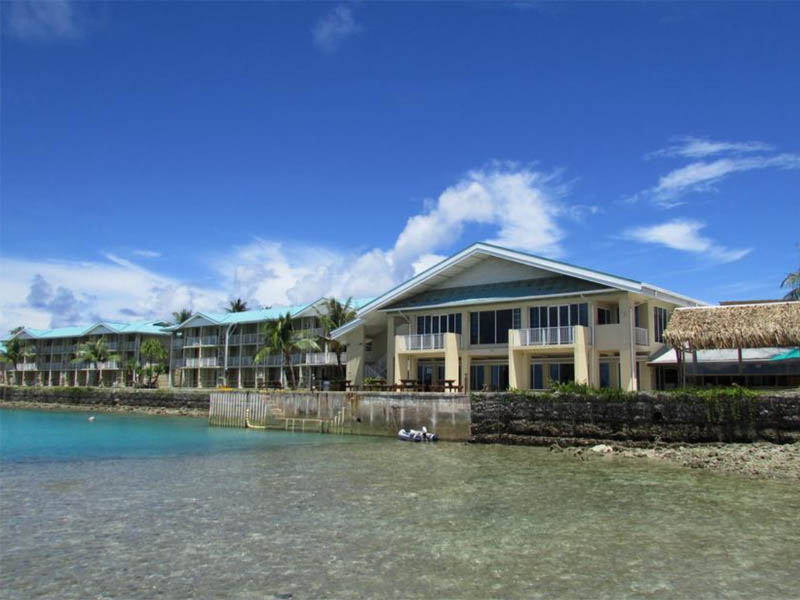
  • the main atoll of Majuro disposes of a range of hotels and bed and breakfast accommodations
  • accommodation on the outer islands ranges from small air-conditioned island resorts to traditional thatched bungalows
  • for surfers the place to stay is Beran Island Resort on Ailinglaplap Atoll

RENY TRAVEL, s.r.o.
Bratislava, Slovakia, EU

Tel.: 00421 918 792 636
WhatsApp: 00421 918 792 636

Mail: reny@reny.sk

Time zome: UTC+1/2
About us: Personal Travel Agent

Partners: